
Share your experience of live streams
Tell us whether you watch live streams, whether you have tipped or paid a streamer and why. Your answers are combined with other people's and reported only as totals.
Start the live streaming and creator support surveyAbout 5 minutes. No account needed. You can stop at any time.
What this topic covers
A live stream is video broadcast over the internet as it happens. Unlike a recorded video, viewers can comment in real time and the streamer can respond. Live streaming is offered by dedicated streaming platforms, by video-sharing sites, by social media apps and by shopping apps.
This topic covers:
- how often people watch live streams, and on which apps;
- what kinds of streams they watch;
- whether they take part in chat;
- whether they pay streamers through tips, gifts, subscriptions or memberships;
- why they support creators, and how much they spend;
- how people feel about live streaming's risks.
What people watch live
Live streams cover a very wide range of content:
- Gaming: people playing video games while talking to viewers, and live coverage of esports competitions.
- Just chatting: conversations, reactions and question-and-answer sessions.
- Music: live performances, DJ sets and musicians practising.
- Creative work: drawing, crafts, cooking and building things.
- Education: lessons, study sessions and coding.
- Sport and fitness: live workouts and coverage of smaller sports.
- Live shopping: hosts showing and selling products, with links to buy during the stream.
- Events: religious services, weddings, conferences and community meetings.
- Outdoor streams: travel, walking tours and fishing.
Live shopping is especially popular in parts of Asia and growing elsewhere.
Why people watch live rather than recorded
Viewers mention several reasons for watching live:
- Interaction: their comments may be read out or answered.
- Community: they get to know other regular viewers in the chat.
- Unpredictability: anything can happen, which makes it exciting.
- Company: a stream can feel like spending time with a friend, especially for people who live alone.
- Being there: watching an event at the same time as everyone else.
Many people also watch recordings or short highlights later, especially if they missed the live stream.
Example
A night-shift worker watches a streamer who plays strategy games during their breaks in the early morning. Over a year they have become a regular in the chat and know other viewers by their usernames. They say the stream makes the night shift feel less lonely.
How viewers support streamers
Most live streams are free to watch, but platforms offer several ways for viewers to pay streamers. The main ones are:
- Tips or donations: a one-off payment, often with a message shown on screen.
- Virtual gifts: animated items bought with platform currency and sent during a stream, which the streamer can convert into money.
- Paid messages: a message highlighted in the chat in return for a payment.
- Subscriptions or memberships: a monthly payment that gives perks such as badges, special emotes, ad-free viewing or access to members-only streams.
- Gifted subscriptions: paying for subscriptions for other viewers.
- External support: fan platforms and merchandise sold outside the streaming app.
- Buying products in live shopping streams.
The platform usually keeps a share of each payment, and payment processors and taxes take more, so the streamer receives only part of what viewers pay. The share differs between platforms and payment types.
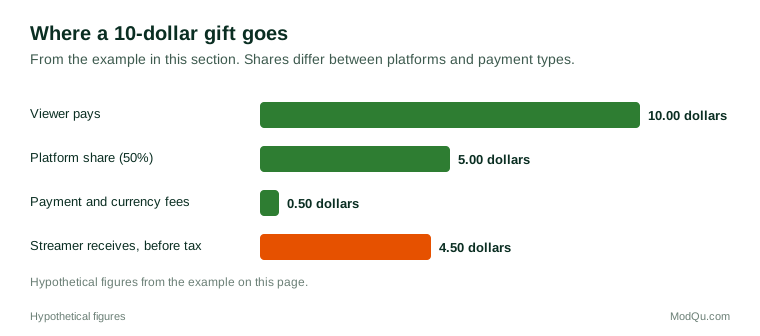
Figure 1 shows how the payment in the example below is divided.
Example (hypothetical figures)
A viewer sends a gift worth 10 dollars. In this example the platform keeps 50%, which is 5 dollars, and payment and currency fees take another 0.50 dollars. The streamer receives 4.50 dollars before tax. A 5-dollar monthly subscription split 50/50 gives the streamer 2.50 dollars a month, or 30 dollars a year.
Why people pay
People who pay streamers give several reasons:
- to thank the streamer for free entertainment, in the same way as tipping a street performer;
- to help a small creator keep streaming;
- to get attention: having a message read out or a name shown on screen;
- to get perks such as badges, emotes or members-only content;
- to be part of the community and join in with other supporters;
- to celebrate a special stream, such as a fundraiser or milestone.
Many viewers never pay, and say they support streamers by watching, chatting, following and sharing. A small share of viewers usually provides most of a streamer's income.
How much people spend
Most paying viewers spend small amounts, such as one subscription or an occasional tip. A small number spend large sums, sometimes much more than they planned. Spending can be encouraged by on-screen alerts, leaderboards of top gifters and the excitement of a live moment.
Example
A student subscribes to two streamers at the lowest monthly tier and occasionally sends a small tip when they reach a milestone. They set a monthly limit in their budget app, because they noticed that during a charity stream they had sent several tips in one evening without adding them up.
Fundraising streams
Live streams are also used to raise money for charity. Streamers hold marathon streams, play games for many hours, or set challenges, and viewers donate to a charity through the stream. Such events can raise large sums for disaster relief, health research and other causes. Viewers often say they enjoy giving in a shared, live way.
Concerns and debates
Live streaming raises several concerns:
- Overspending: especially by young viewers, and features such as gift leaderboards that may encourage it.
- Children and teenagers: young people streaming themselves and being contacted by strangers. Many platforms have minimum ages and safety tools, and rules differ by country.
- Harmful content: dangerous stunts, harassment and content that is hard to moderate because it is live.
- Streamers' wellbeing: long hours, pressure to stream constantly, unstable income and abuse in chat.
- Fairness: how much of viewers' payments platforms keep.
- Gambling streams, which some platforms have restricted.
- Live shopping: impulse buying, and whether product claims are accurate.
Questions that businesses want answered here include how often people watch live streams, which types they watch, whether and how they pay creators, and what motivates viewers to support creators.
Key terms
- Live streamVideo broadcast over the internet as it happens.
- StreamerA person who broadcasts live streams.
- ChatThe live text conversation that runs alongside a stream.
- TipA one-off payment from a viewer to a streamer.
- Virtual giftAn animated item bought with platform currency and sent to a streamer.
- Subscription tierA level of monthly payment to a streamer, with different perks.
- EmoteA small image used in chat, often available only to subscribers.
- ModeratorA person who enforces chat rules and removes harmful messages.
Full glossary: live streaming platforms terms on EditingTests.com.
Live streaming and creator support vocabulary test
How well do you know the language of this topic? Try 8 quick questions. Your score is shown straight away and is not saved.
What the live streaming and creator support survey asks
This survey is part of ModQu's Media and Entertainment survey. The live streaming and creator support part takes about five minutes and covers:
- Whether you watch live streams, how often and on which apps.
- What kinds of live streams you watch.
- Whether you take part in chat.
- Whether you have tipped, sent gifts, subscribed or paid a streamer in another way.
- Why you support creators, or why you do not.
- How much you spend on supporting streamers in a typical month.
After that you can choose to continue with other short parts of the Media and Entertainment survey, such as streaming tv and video or music and podcasts, or stop.
Ready to take part?
Your answers help show what people really think and do. Results are only ever reported as totals; no one can see your individual answers.
Start the surveyQuestions about this survey
Who can take part?
Adults who watch live streams.
Do I have to give my name?
No. You may be asked for your age group, region and similar details so results can be broken down, but not your name. ModQu never asks for passwords, card numbers or account numbers.
How are the results used?
Answers are combined into totals and percentages and published in ModQu reports. Individual answers are never shown.
Is the vocabulary test part of the survey?
No. It is optional and separate, and your score is not stored.
Do I have to pay to watch live streams?
Most live streams are free to watch. Payments such as tips, gifts and subscriptions are optional, although some streamers offer extra members-only streams for subscribers.
Can I see how much a streamer actually receives?
Platforms publish their general revenue-sharing rules, but the exact split depends on the platform, the payment type, fees and the streamer's own agreement, so viewers usually cannot see the exact amount.