
Share your experience of travel safety
Tell us how concerned you are about safety when travelling, whether you check travel advice and whether you have had a problem abroad. Your answers are combined with other people's and reported only as totals.
Start the travel safety surveyAbout 5 minutes. No account needed. You can stop at any time.
What this topic covers
Travel safety means the risks travellers face away from home and what they do about them. This topic covers:
- how concerned people are about safety and what worries them;
- where they get information, including government travel advice;
- the precautions they take;
- travel insurance;
- problems people have had, such as theft, illness, accidents and scams;
- how they got help, and how the experience affected later travel.
This page describes what travellers report and common practice. It does not give medical or legal advice for any destination.
What travellers worry about
Travellers' concerns vary with destination, age, gender, experience and personal circumstances. The most common are:
- Theft and pickpocketing, especially in crowded places and on public transport;
- Scams aimed at tourists, such as fake taxis, overcharging and distraction tricks;
- Illness, including stomach problems from food and water, and diseases spread by insects;
- Road accidents, which are a leading cause of serious injury to travellers;
- Natural disasters and extreme weather, such as storms, floods, earthquakes and heatwaves;
- Political unrest, crime and terrorism;
- Harassment and assault;
- Losing documents such as passports;
- Not understanding local laws and customs.
People's fears do not always match their actual risks. Rare but dramatic events often worry people more than common risks such as road traffic or sunburn.
Government travel advice
Many governments publish travel advice for their citizens about each country. These are often called travel advisories. They usually describe safety and security risks, local laws, health requirements, entry rules and what consular help the government can give. Some use levels, such as "exercise normal precautions" up to "do not travel".
Travellers use advisories in different ways:
- checking before booking;
- checking again before departure and during the trip;
- registering their trip with their government's service, where available, so they can be contacted in an emergency;
- using advice from more than one government to compare.
Advice about the same place can differ between governments. Advisories can also affect travel insurance: some policies do not cover travel to places the government advises against.
Example
A couple plan a hiking trip. Two weeks before departure, their government's advisory changes to warn against travel to one region because of wildfires. They change their route to another part of the country and register their trip with the government's online service. Their insurer confirms they are covered for the new route.
Precautions travellers take
Common precautions include:
- keeping copies of passports and documents, on paper and on the phone;
- carrying a spare bank card separately from the main wallet;
- using hotel safes and anti-theft bags;
- sharing an itinerary with someone at home;
- researching common scams in the destination;
- using licensed taxis or ride apps rather than unmarked cars;
- getting recommended vaccinations and health advice before departure;
- being careful with food, water and the sun;
- learning emergency numbers and the location of the nearest embassy or consulate;
- avoiding demonstrations and large crowds in places with unrest.
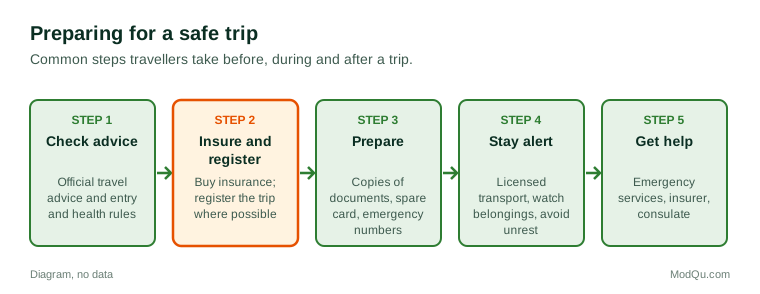
Figure 1 shows a simple way people prepare before, during and after a trip.
Travel insurance
Travel insurance covers costs such as emergency medical treatment, repatriation home after serious illness or injury, trip cancellation, delays and lost or stolen belongings. Medical cover is the most important part for many travellers, because treatment abroad can be very expensive and public health systems may not cover visitors.
Common issues with travel insurance include:
- not buying it, or buying the cheapest policy without checking cover;
- exclusions for pre-existing medical conditions not declared, risky activities, alcohol-related incidents or travel against government advice;
- low limits for valuables;
- difficulty making claims without receipts or police reports.
Example (hypothetical figures)
A traveller breaks their wrist in a fall and is treated in a private hospital abroad. The bill is 3,800 dollars. Their policy covers medical costs above an excess of 150 dollars, so the insurer pays 3,650 dollars and the traveller pays 150 dollars. The policy itself had cost 65 dollars for the two-week trip.
Problems that happen abroad
The most common problems travellers report are not usually the most dramatic. They include:
- lost luggage and delayed flights;
- minor illness, especially stomach upsets;
- pickpocketing and theft from bags or rooms;
- overcharging and scams;
- minor injuries and sunburn;
- lost or stolen passports.
Serious incidents, such as major accidents, assaults, arrests and natural disasters, are less common but have a large effect on those involved.
Example
A student's phone and wallet are stolen from a beach bag. They report the theft to local police for an insurance claim, cancel their cards using a friend's phone, and borrow money from a fellow traveller until their family can send funds. They say the hardest part was having no phone, because their tickets, maps and contacts were all on it.
Getting help
When something goes wrong, travellers turn to:
- local emergency services;
- their accommodation, tour operator or airline;
- their insurer's emergency assistance line;
- their country's embassy or consulate, which can help with lost passports, contact families, and give lists of local lawyers and doctors, but usually cannot pay bills or interfere in local legal processes;
- other travellers and online groups.
What consular services can and cannot do is often misunderstood. Many travellers expect more help than embassies are able to give.
Trends and debates
Trends in travel safety include apps that send safety alerts, more people sharing live locations, and more extreme weather events affecting trips. Debates include how cautious government advice should be, the economic effect of advisories on countries that depend on tourism, how far travellers should rely on insurance, and how safety differs for women, LGBTQ+ travellers and minority groups in different countries.
Questions that businesses want answered here include how concerned people are about safety, how they use travel advice, whether they buy insurance and what problems they have experienced abroad.
Key terms
- Travel advisoryOfficial government advice about safety risks in a country.
- ConsulateAn office of a country's government abroad that helps its citizens.
- RepatriationReturning a person to their home country, for example after serious illness.
- ExcessThe part of an insurance claim the policyholder pays themselves.
- Pre-existing conditionA medical condition a person had before buying insurance.
- PickpocketingStealing from people's pockets or bags without them noticing.
- Trip registrationTelling your government about your travel so it can contact you in an emergency.
- Emergency assistance lineAn insurer's phone service that helps travellers arrange medical care and other help.
Full glossary: travel insurance terms on EditingTests.com.
Travel safety vocabulary test
How well do you know the language of this topic? Try 8 quick questions. Your score is shown straight away and is not saved.
What the travel safety survey asks
This survey is part of ModQu's Travel and Hospitality survey. The travel safety part takes about five minutes and covers:
- How concerned you are about safety when travelling, and what worries you most.
- Whether you check government travel advice, and when.
- Which precautions you take before and during a trip.
- Whether you buy travel insurance, and what it covers.
- Whether you have had a problem abroad, such as theft, illness, injury or a scam.
- Who helped you, and how the experience changed how you travel.
After that you can choose to continue with other short parts of the Travel and Hospitality survey, such as holiday and leisure travel or air travel, or stop.
Ready to take part?
Your answers help show what people really think and do. Results are only ever reported as totals; no one can see your individual answers.
Start the surveyQuestions about this survey
Who can take part?
Adults who travel.
Do I have to give my name?
No. You may be asked for your age group, region and similar details so results can be broken down, but not your name. ModQu never asks for passwords, card numbers or account numbers.
How are the results used?
Answers are combined into totals and percentages and published in ModQu reports. Individual answers are never shown.
Is the vocabulary test part of the survey?
No. It is optional and separate, and your score is not stored.
Do I need travel insurance if my country has public health care?
Public health care usually covers little or nothing abroad, although some countries have agreements with each other. Travellers are generally advised to check what cover they have before leaving.
What should I do first if my passport is stolen?
Travellers usually report the theft to local police and contact their embassy or consulate, which can issue an emergency travel document. Keeping a copy of the passport makes this easier.